In recent years, the administrative burden has shifted from a peripheral task to a core operational risk. With the introduction of more intensive ISM requirements and environmental reporting, traditional methods of fleet oversight, often involving fragmented spreadsheets and manual data entry, are no longer sufficient to ensure safety or profitability.
The critical challenges of offshore fleet management
Based on industry insights and feedback from technical directors, several key ‘pain points’ define the current offshore landscape:
- The certificate burden: A single offshore vessel can require over 120 different certificates, ranging from class documentation to specific crew qualifications. Keeping these synchronised across a fleet of multiple vessels without automated warnings is a recipe for ‘audit findings’ and costly downtime.
- Remote data synchronisation: Offshore operations often take place in areas with limited connectivity. The challenge lies in ensuring that maintenance logs and safety drills performed at sea are accurately reflected in the office database the moment a connection is established.
- Maintenance backlog visibility: Without a centralised fleet management system for offshore companies, office staff often lack a real-time view of maintenance status. This leads to reactive ‘firefighting’ rather than proactive asset management.
- Compliance and audit readiness: Preparing for an external audit shouldn’t take weeks. The industry is moving towards a state of ‘continuous compliance,’ where documentation is always ready for inspection at the click of a button.
The strategic benefits of ship management software
Transitioning to a dedicated vessel management system provides more than just organised data, it transforms operational activities:
- Enhanced safety culture: By automating the scheduling of safety drills and tracking participation, companies ensure that compliance is a lived reality, not just a checkbox exercise.
- Operational scalability: Digital systems allow a small office team to manage a growing fleet without a linear increase in administrative headcount.
- Predictive procurement: Integrating inventory levels with maintenance tasks allows for smarter purchasing, ensuring that critical spare parts are available before they are needed, reducing unplanned downtime.
Insights from offshore companies
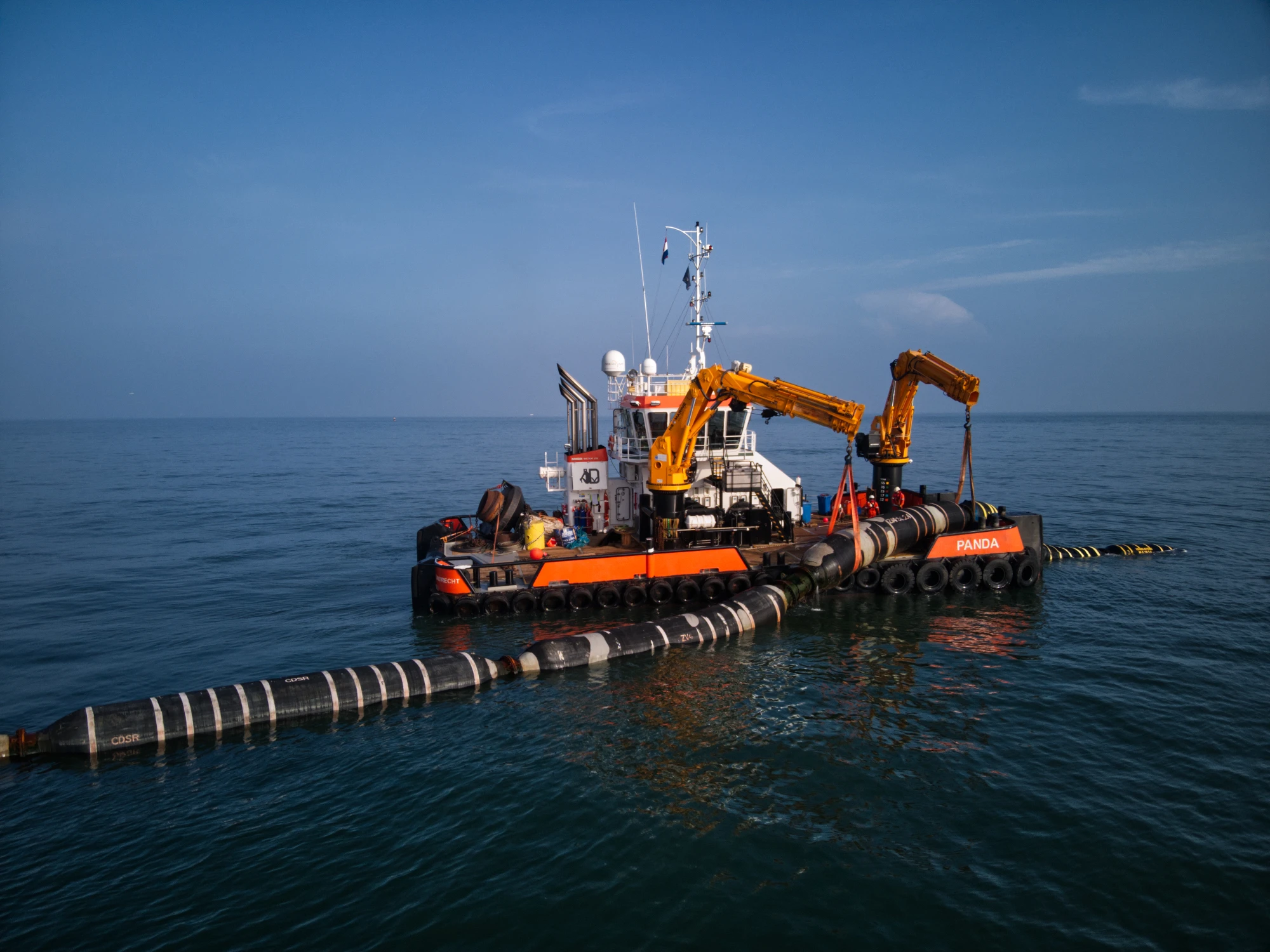
Our customers in the offshore industry have already made the transition from manual processes to integrated digital management.
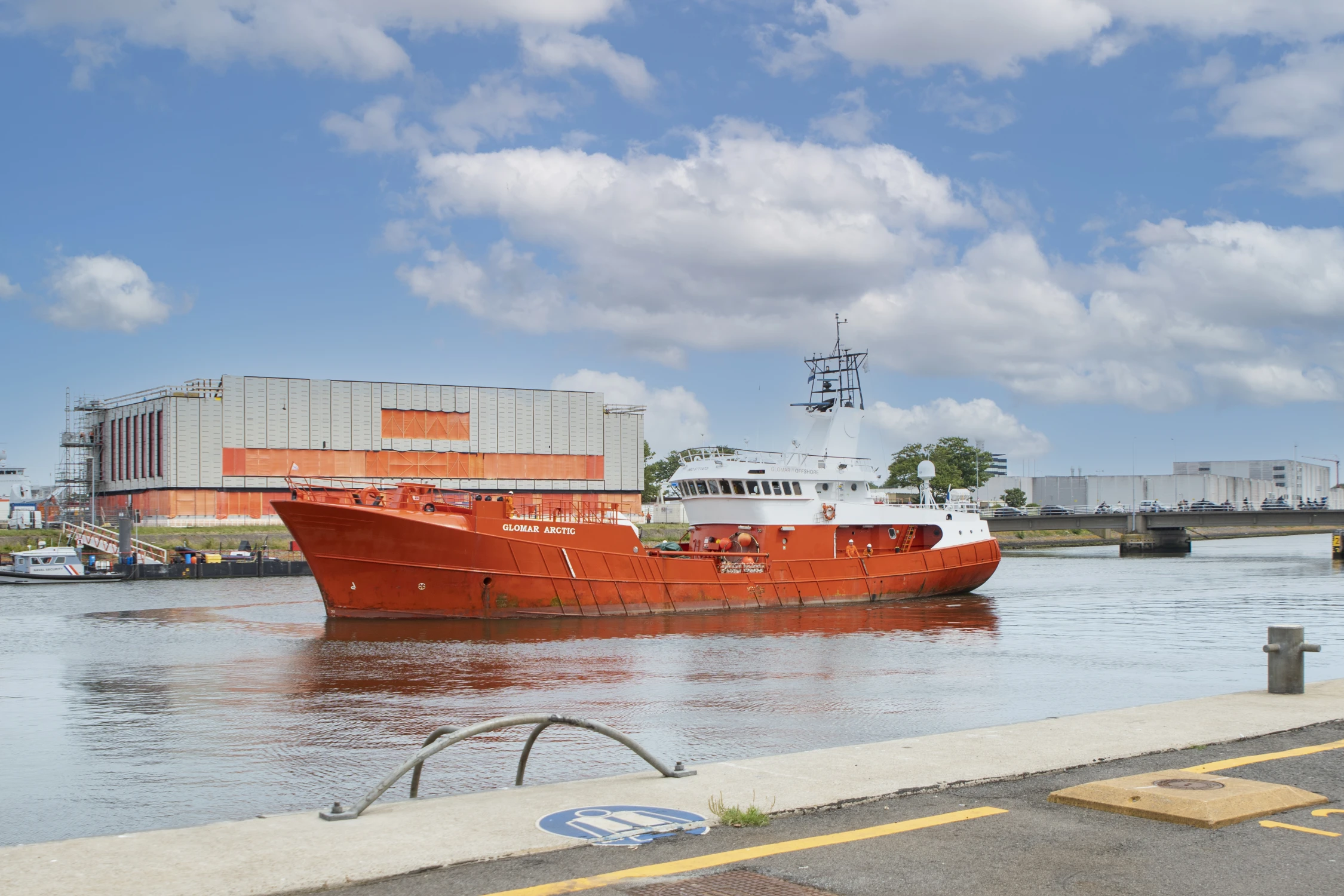
For instance, Glomar Offshore highlights that their management system evolved from a basic compliance tool into a crucial daily management asset. Jan-Wouter Thijssen, General Manager, notes that having management information available “at the click of a button” is essential for their diverse fleet operations.
Similarly, Ejovi Offshore experienced a significant shift in control. Before digitising, they faced challenges with manual tracking and missing information. Today, they use real-time monitoring to identify and resolve issues before they escalate into operational failures.
A partner in maritime digitisation
At Mastex Software, we understand that offshore operators don’t just need software; they need a partner who understands the industry. With nearly two decades of experience in the maritime sector, we have developed MXSuite to be one of the most intuitive and modular ship management software.
Our team works closely with clients to ensure a seamless implementation that fits the specific needs of their fleet. From maintenance and certificates to QHSE and procurement, MXSuite provides the clarity and control required to turn operational complexity into a competitive advantage.
Discover how our software can transform your operations and request a demo today to see MXSuite in action.
FAQ
How does maritime fleet management software handle poor internet connectivity at sea? A robust system like MXSuite allows for full offline functionality. Crew members can update maintenance logs, safety drills, and inventory levels without an active connection. The data synchronises automatically with the office database as soon as a satellite or cellular connection is restored.
Can a ship management system be used for non-vessel assets? Yes. In the offshore and port sector, the same software can manage maintenance for cranes, container spreaders, and port vehicles. By using the Assets Tasks and Assets Parts modules, companies can centralise the oversight of all technical equipment in one environment.
What is the typical implementation time for a ship management system? Depending on the number of modules and the number of ships that will be using MXSuite simultaneously, implementation takes from a few days to seven days. However, by using standardised.