
As a new operational season approaches, whether you are operating passenger ferries, offshore support vessels, or workboats, the pressure on fleet managers and superintendents spikes dramatically. Vessels must be surveyed, safety drills executed, crew certifications updated, and spare parts restocked.
Managing seasonal preparations with disconnected spreadsheets, emails, and paper lists makes it almost impossible to maintain a complete and accurate overview. A single expired certificate or an out-of-stock critical spare part can cause unexpected delays, compliance issues, or costly downtime right when your operations need to run at peak capacity.
This is where a dedicated ship management software platform transforms seasonal stress into structured fleet control.
The bottlenecks of traditional season preparation
Preparing a fleet for high operation levels involves coordinating dozens of moving parts between ship and shore. Fleet managers typically face three major challenges:
- Fragmented data and version confusion: Office teams and onboard crews often work from different lists, leading to miscommunication about completed maintenance jobs or missing documentation.
- Complex certificate management: Nowadays, vessels often require over a hundred class, vessel, and crew certificates. Tracking expiration dates manually increases the risk of non-compliance during audits or flag state inspections.
- Unplanned downtime due to inventory gaps: Discovering that a critical filter or pump part is missing just days before a scheduled departure can halt operations entirely.
How digital fleet management streamlines vessel preparation
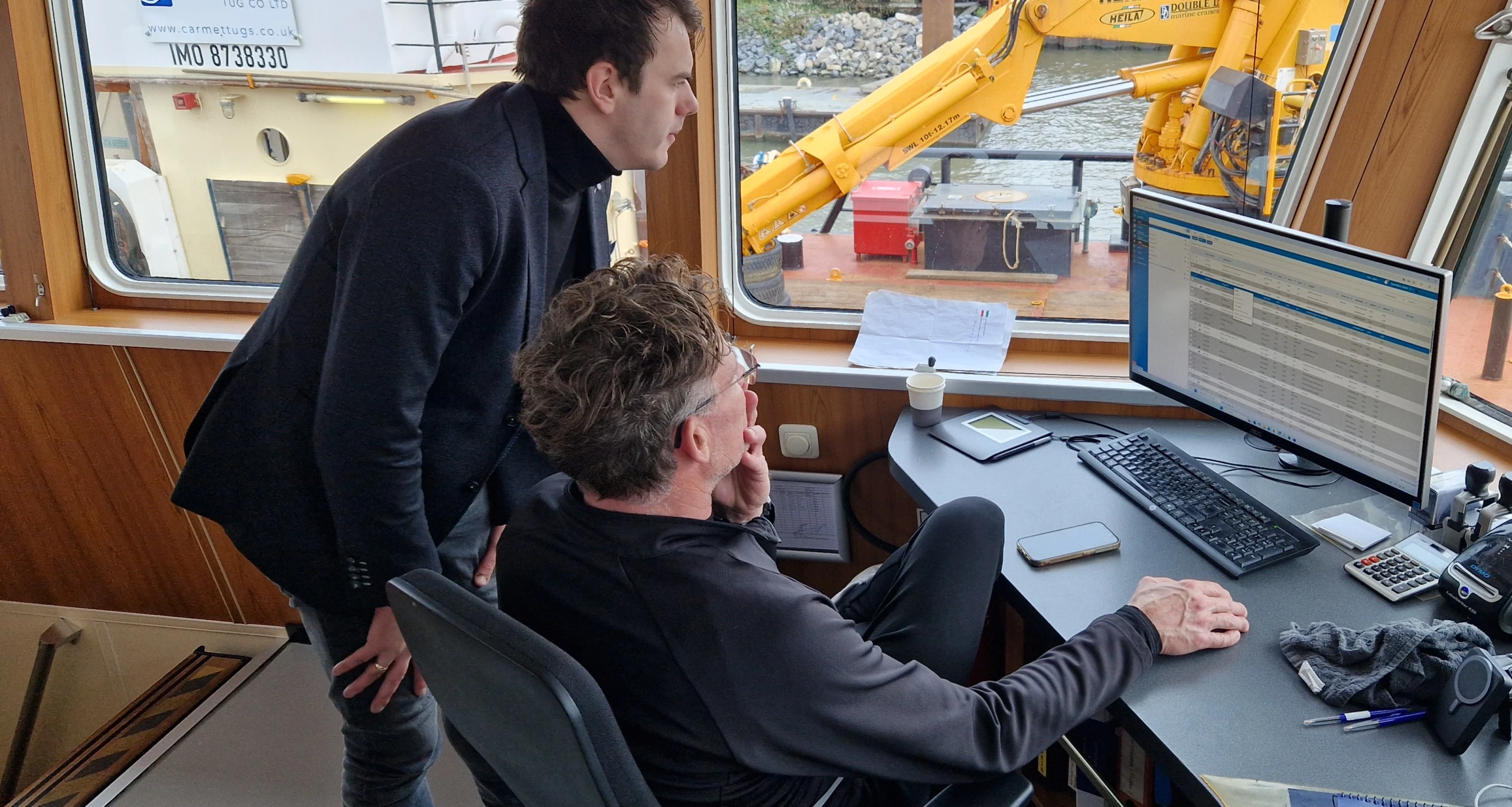
Implementing a modern ship management system like MXSuite creates a single source of truth for both onboard crew and shore-based management. Here is how structured software helps fleets prepare for the demanding season ahead:
1. Centralised maintenance and asset tracking
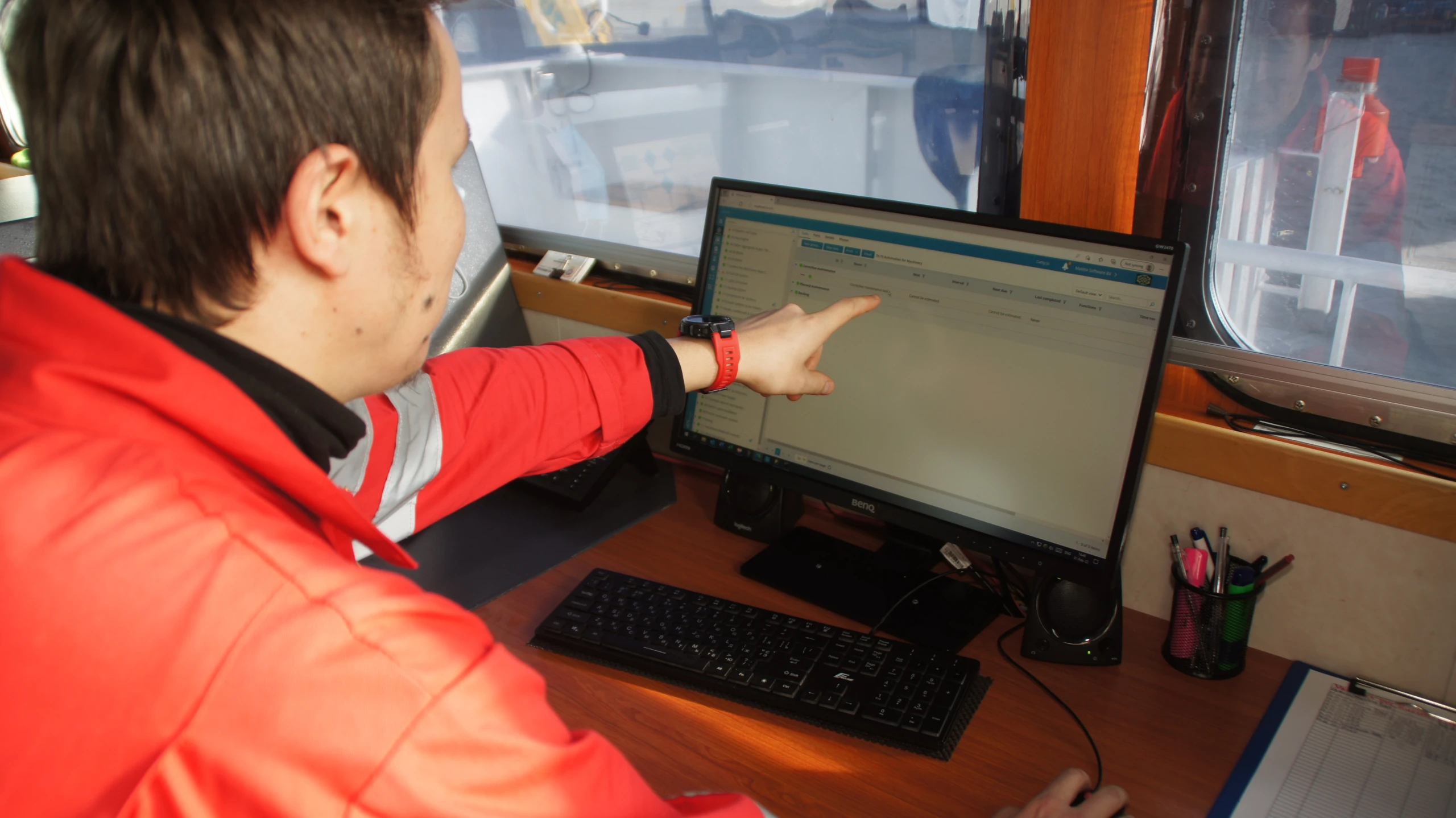
With integrated asset management modules, technical teams can review every vessel’s status at a glance. Scheduled maintenance tasks, corrective repairs, and machinery overhauls are clear to everyone. Counter- or time-based triggers automatically notify crew members when a service is due, ensuring equipment remains in prime condition before heavy usage begins.
2. Proactive certificate and compliance management
Instead of scrambling before inspections, an automated certificate tracking system alerts management well in advance when vessel or crew documents are due for renewal.
3. Streamlined spare part procurement
Integrating spare parts inventory with purchasing workflows ensures that the right parts are on board before the vessel leaves the quay. Crews can immediately check stock levels, link required items to specific maintenance jobs, and issue purchase orders directly to shore.
4. Connecting onboard execution with shore-based oversight
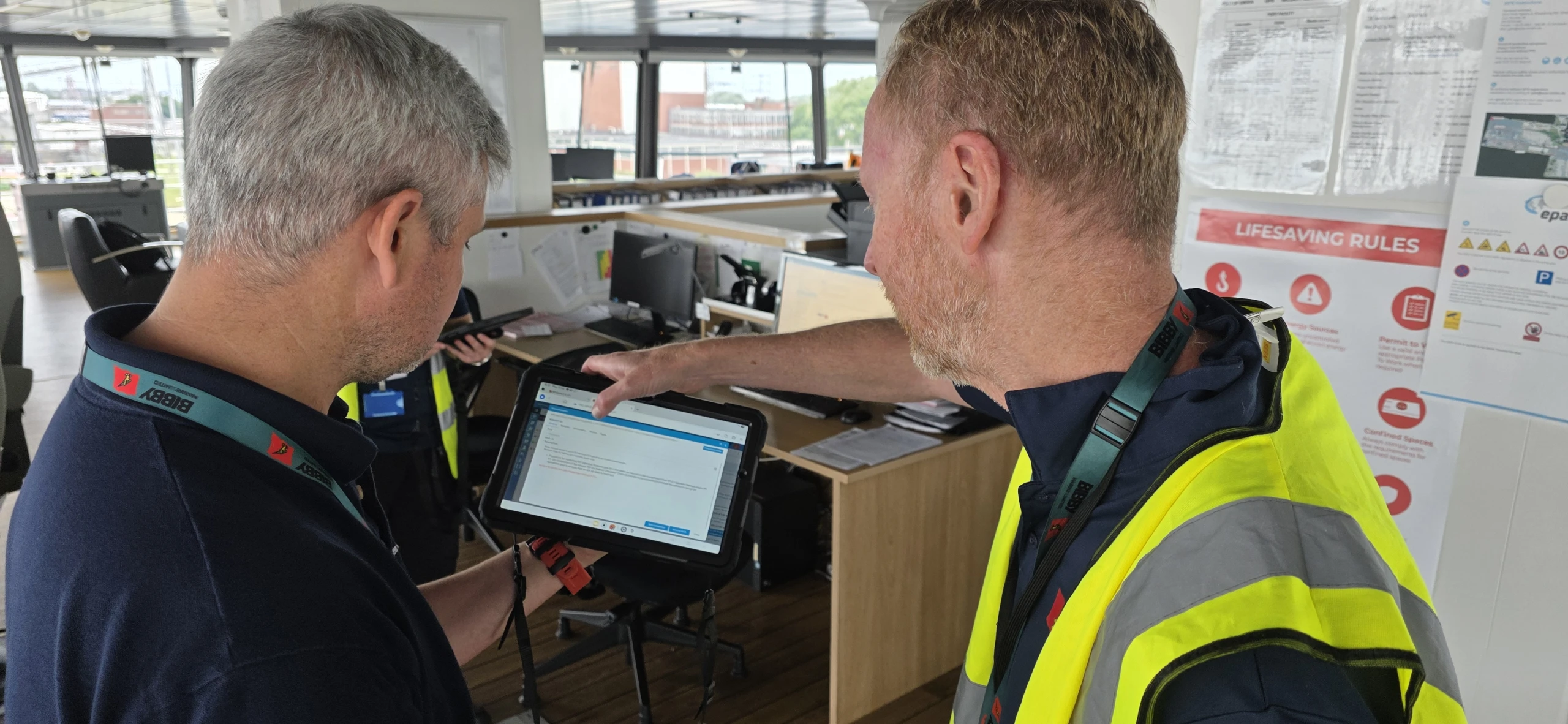
Fleet readiness is not just an office exercise; it happens on the deck and in the engine room. Before a new season begins, captains, chief engineers, and shore-based superintendents must be completely aligned on vessel status, safety procedures, and mandatory drills.
Key takeaway: Efficiency on board brings peace of mind ashore
Transitioning from manual paperwork to an intuitive ship management solution isn't just about compliance, it's about operational reliability. When administrative tasks are streamlined into modular software, captains and engineers spend less time filling out forms and more time focusing on safety, performance, and smooth operations.
Are you ready to prepare your fleet?
Discover how MXSuite helps maritime operators worldwide simplify fleet management, maintain full compliance, and run safer operations. Request a personalised demo with our team.