The pressure to digitalise fleet operations is reshaping the maritime industry. With a single vessel frequently requiring many certificates alongside continuous maintenance logs, relying on fragmented spreadsheets and paper administration has become an operational risk. Transitioning to a ship management system introduces control, efficiency, and complete audit-readiness. However, purchasing the software is only the first step; the true value is unlocked during the implementation phase.
For many shipping companies, fleet managers, and technical superintendents, the prospect of a fleet-wide software rollout can seem daunting. Based on years of maritime experience, we have identified the five most common implementation bottlenecks and, more importantly, how to overcome them.
1. Data migration and database preparation
The bottleneck: A fleet management system is only as good as the data inside it. Many companies stall at the very beginning because compiling thousands of maintenance tasks, running hours, spare part inventories, and certificate expiry dates from scattered Excel files feels like an overwhelming task.
The solution: Do not attempt to build the database from scratch without a structured framework. A successful implementation relies on standard preparation templates provided by your software partner. By utilising pre-configured import sheets, you can systematically categorise your equipment, components, and maintenance intervals before transferring them into the software. Breaking the data collection down ship-by-ship keeps the database-filling phase manageable and helps to build the data integrity in a reasonable timeframe.
2. Crew resistance and software adoption
The bottleneck: A system can be technically flawless, but if the crew onboard finds it cumbersome or feels it is just ‘extra paperwork’, adoption will fail. Seafarers are focused on safe and efficient operations; they have little patience for complicated, counter-intuitive IT user interfaces.
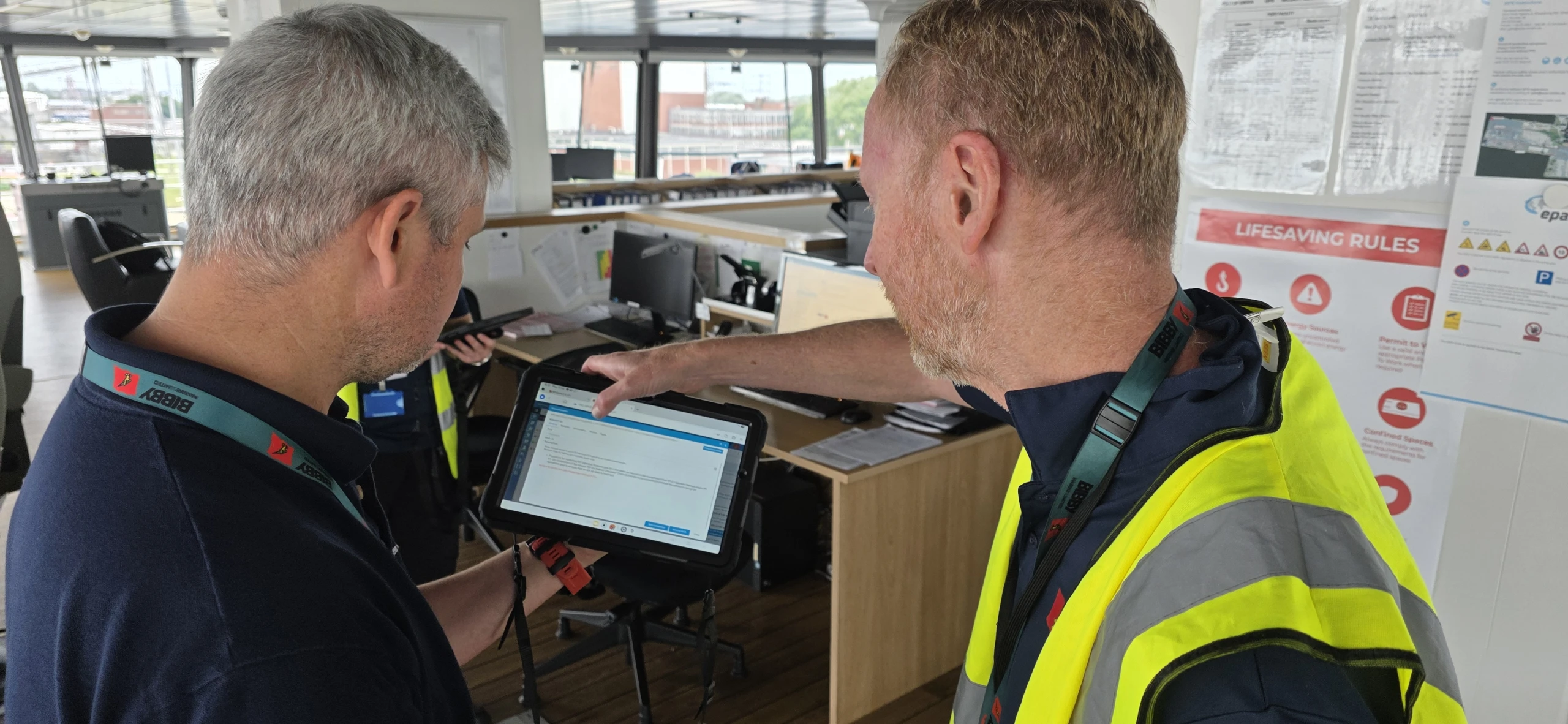
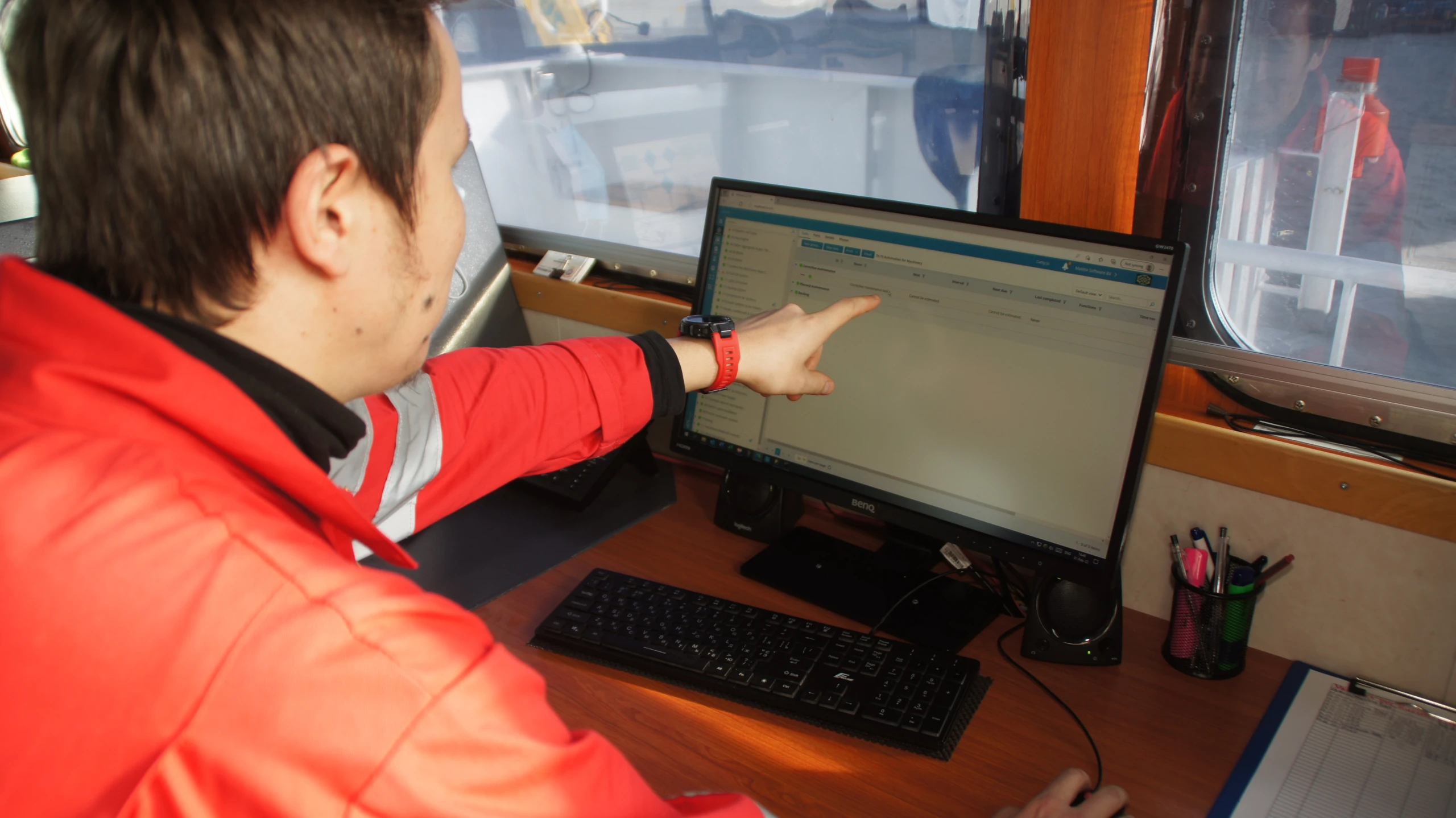
The solution: Choose a solution built with an intuitive workflow that mirrors daily operational reality. To secure crew buy-in, involve senior crew members (such as Chief Engineers and Captains) early in the process. Furthermore, implement a ‘train-the-trainer’ approach where designated onboard ambassadeurs support their peers, backed by accessible digital learning resources, such as modular e-learning videos with clear visual steps and subtitles. When the crew sees that the software automatically alerts them to upcoming tasks and actually reduces manual reporting, resistance transforms into support.
3. Hardware compatibility and connectivity limitations
The bottleneck: Maritime operations are inherently remote. Offshore support vessels, tankers, and superyachts operate in environments where satellite internet bandwidth is limited, costly, or temporarily unavailable. If a ship management system requires a continuous, high-speed internet connection to function, data entry will grind to a halt.
The solution: The software architecture must support offline functionality. Onboard systems should operate independently of a live internet connection, storing data locally on the vessel’s local area network (LAN) and database. Synchronisation with the office database ashore should happen automatically via compressed data packages whenever bandwidth is available. This guarantees that the crew can update maintenance tasks, inventory levels, and safety drill logs seamlessly, regardless of the vessel’s geographic position.
4. Lack of dedicated internal project ownership
The bottleneck: Software implementation is frequently treated as a side project for the IT department or an extra task for an already busy technical superintendent or fleet manager. Without clear internal ownership and commitment, timelines slip, decision-making stalls, and the implementation loses momentum.
The solution: Successful digital transformation requires a dedicated internal project sponsor and close collaboration with your software provider. A successful rollout requires a clear division of roles: involvement from a technical superintendent to oversee asset management accuracy, an IT professional to assist with SQL database installations or hardware upgrades onboard, and executive sponsorship from management to drive accountability. Treat your software vendor as a partner, not just a supplier, utilising their support teams to keep the rollout on schedule. Monitoring progress and actively tracking user adoption together with your software vendor helps create early successes, increasing engagement, improving long-term adoption, and ultimately delivering a stronger return on investment.
5. Integration with existing business systems
The bottleneck: Shipping companies do not operate in a vacuum. Procurement needs to align with corporate accounting, and technical data needs to inform management decisions. Creating another data silo defeats the purpose of digitalisation.
The solution: Modern ship management software must feature open connectivity. Ensure the platform you select utilises robust REST APIs or automated file exchanges. This allows purchasing modules to seamlessly feed data into accounting software or external ERP systems, creating a single version of the truth between the vessel, the technical department, and the financial office.
Conclusion
Implementing a ship management system does not have to be a stressful or disruptive process. By anticipating these bottlenecks; structuring your data migration, selecting intuitive and offline-capable software, securing crew engagement, and establishing clear project ownership, you can accelerate your return on investment.
Ultimately, digital transformation is not just about installing software; it is about establishing a safer, smarter, and more efficient workflow that supports your fleet’s growth for years to come. Long-term collaboration with your software provider can also help sustain adoption, optimise workflows, and support continuous improvement.
Why choose MXSuite for your fleet?
Overcoming these hurdles requires more than generic software; it demands a dedicated fleet management partner that understands the maritime environment from the inside out. This is precisely why shipping operators worldwide trust MXSuite. Engineered by Mastex Software, MXSuite is a fully modular platform designed to let you scale at your own pace, choosing only the specific modules, from technical maintenance and inventory tracking to certificates and procurement, that align with your unique workflow.
Its robust, offline-first synchronisation architecture guarantees flawless operational continuity on board even in zero-bandwidth environments, while delivering clear, up-to-date dashboards to management ashore. Backed by an approachably professional, a support team that stands ready to assist with remote or face-to-face training and transparent implementation, MXSuite eliminates the complexity of digital transformation, bringing order, clarity, and accountability to your daily fleet operations.
Ready to discover our ship management software? Request a free demo.