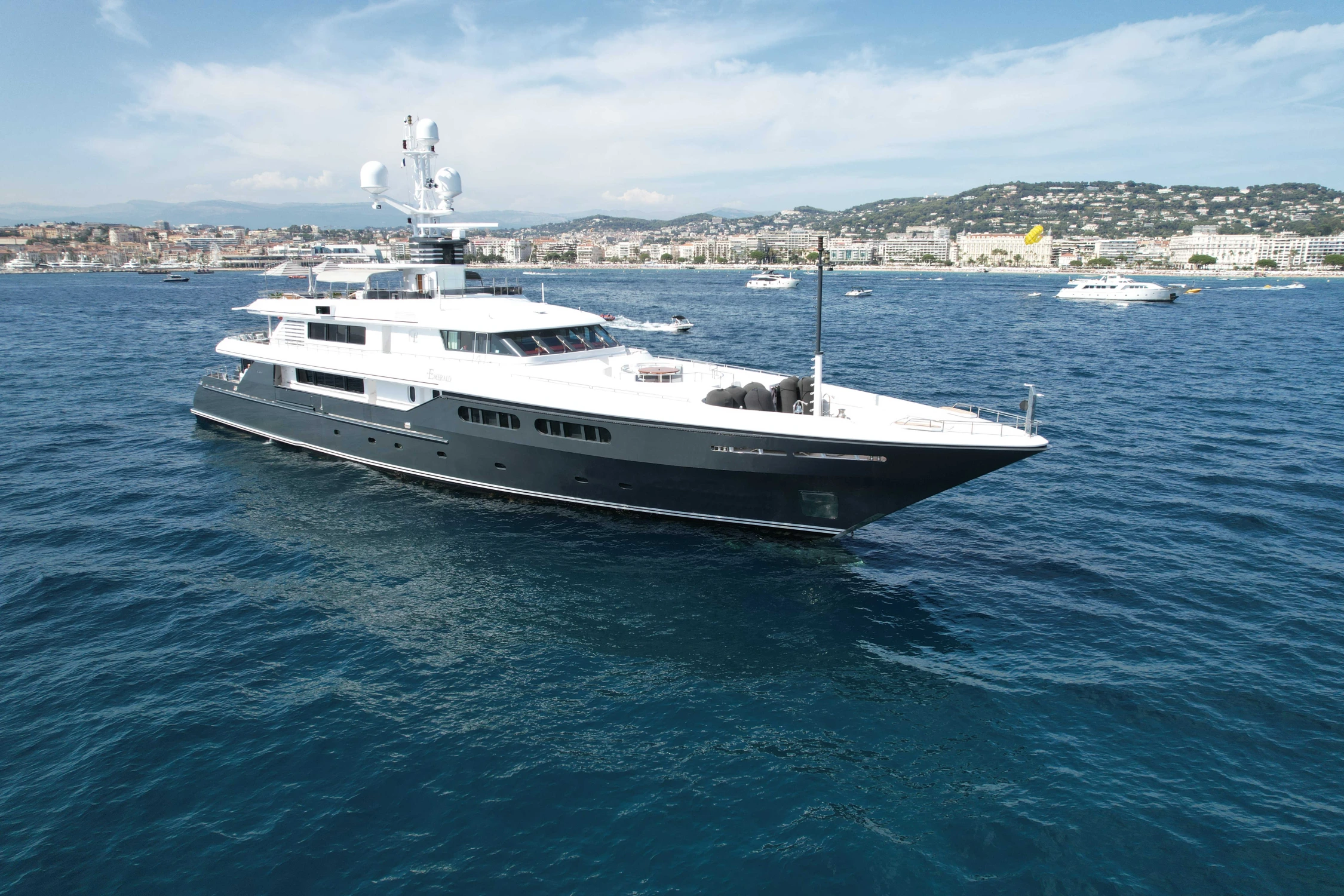
However, as regulatory pressure increases and fleets become more complex, transitioning to a professional Vessel Management System (VMS) or a Computerised Maintenance Management System (CMMS) is no longer just an option. It is a strategic necessity to optimise operational activities.
The advantages of digitalisation in the yachting sector
1. Optimised maintenance: minimising costly downtime
A yacht is a significant capital investment where technical failure is not an option. Whether a vessel is used for chartering or private ownership, the stakes are incredibly high:
- For charter yachts: every day spent in unscheduled repair is a day of lost revenue and potential compensation for disappointed guests.
- For private yachts: the owner expects the vessel to be “spick and span” and fully operational the moment they step on board. Nothing ruins an owner’s experience faster than a technical failure during their limited time at sea.
By using a CMMS, you enable a shift from reactive to preventative maintenance. By tracking equipment history and scheduling tasks based on running hours, you can identify potential failures before they occur, ensuring the yacht is always ready for the most demanding guests or owners. This proactive approach significantly reduces downtime and protects the long-term asset value of the vessel.
2. Safety first: automating drills and essential checks
Safety is the foundation of any professional maritime operation. Relying on manual calendars to schedule mandatory safety drills is an unnecessary risk. A digital solution automates these schedules and safety checks. This ensures that every crew member is properly trained and that every safety system, from fire extinguishers to life rafts, is inspected on time and in accordance with international standards.
3. Compliance simplified: remaining audit-ready
Compliance requirements become significantly stricter as a vessel grows. For commercial superyachts over 500 GT, the threshold where the most stringent international regulations like the ISM Code apply, there are typically 50+ certificates and documents required to remain fully compliant. Manually tracking these expiry dates is high-risk. A Vessel Management System provides a centralised dashboard with proactive alerts, ensuring that your fleet is always ‘audit-ready’ and preventing the risk of a vessel being detained in port.
4. Strategic cost control: gaining inventory visibility
Effective yacht management requires a granular view of operational costs. Managing spare parts and supplies without a centralised system often leads to duplicate orders or, conversely, missing a critical part when the yacht is in a remote location. A digital system provides total visibility over inventory levels and streamlines the procurement workflow. By connecting the engine room directly to the office, you ensure the right parts are ordered at the right price, keeping maintenance budgets under control.
5. Securing operational continuity during crew transitions
The yachting industry is known for frequent crew changes. When a chief engineer or captain departs, the vital knowledge regarding the vessel’s technical status must not leave with them. A central digital platform ensures that all technical data, maintenance history, and ongoing tasks are securely documented and accessible. This allows new crew members to become effective immediately, ensuring that operations continue without disruption.
Your partner in yacht management software
At Mastex Software, we believe that technology should empower the crew and management alike. Our solution, MXSuite, is specifically designed to simplify these complexities within the maritime industry.
With its modular architecture, covering modules like Asset Tasks, Certificates, Safety, and Purchase, MXSuite allows you to select only the tools your fleet currently requires. If you are ready to move from the limitations of spreadsheets to a streamlined, digital workflow that prioritises safety and cost control, our team is here to guide your transition. Request a free demo to discover more about our solution.
Frequently asked questions
Why is a CMMS or Planned Maintenance System (PMS) better than Excel for yachts? Excel lacks the automation and audit trails required for modern maritime compliance. A dedicated CMMS/PMS reduces downtime by scheduling preventative tasks and ensuring data is synchronised between the ship and the shore-based management office.
How does software help with yacht safety and ISM compliance? It automates the planning and documentation of safety drills and inspections. This ‘Safety First’ approach ensures all requirements are met and documented, providing the DPA (Designated Person Ashore) with immediate proof of compliance during audits.
Can yacht management software help with cost reduction? Yes. By providing a clear view of inventory levels and streamlining the procurement workflow, management software prevents duplicate orders and ensures maintenance is done preventatively, avoiding expensive emergency repairs.