The maritime industry is facing its most significant regulatory shift in years. With the introduction of the FuelEU Maritime regulations, the focus on Greenhouse Gas (GHG) intensity is no longer optional, it is a critical operational requirement. For fleet managers the administrative burden can be daunting.
At Mastex Software, we believe compliance shouldn’t lead to chaos. Here are 5 essential steps to ensure your fleet is prepared, compliant, and efficient.
1. Centralise your data (move beyond Excel)
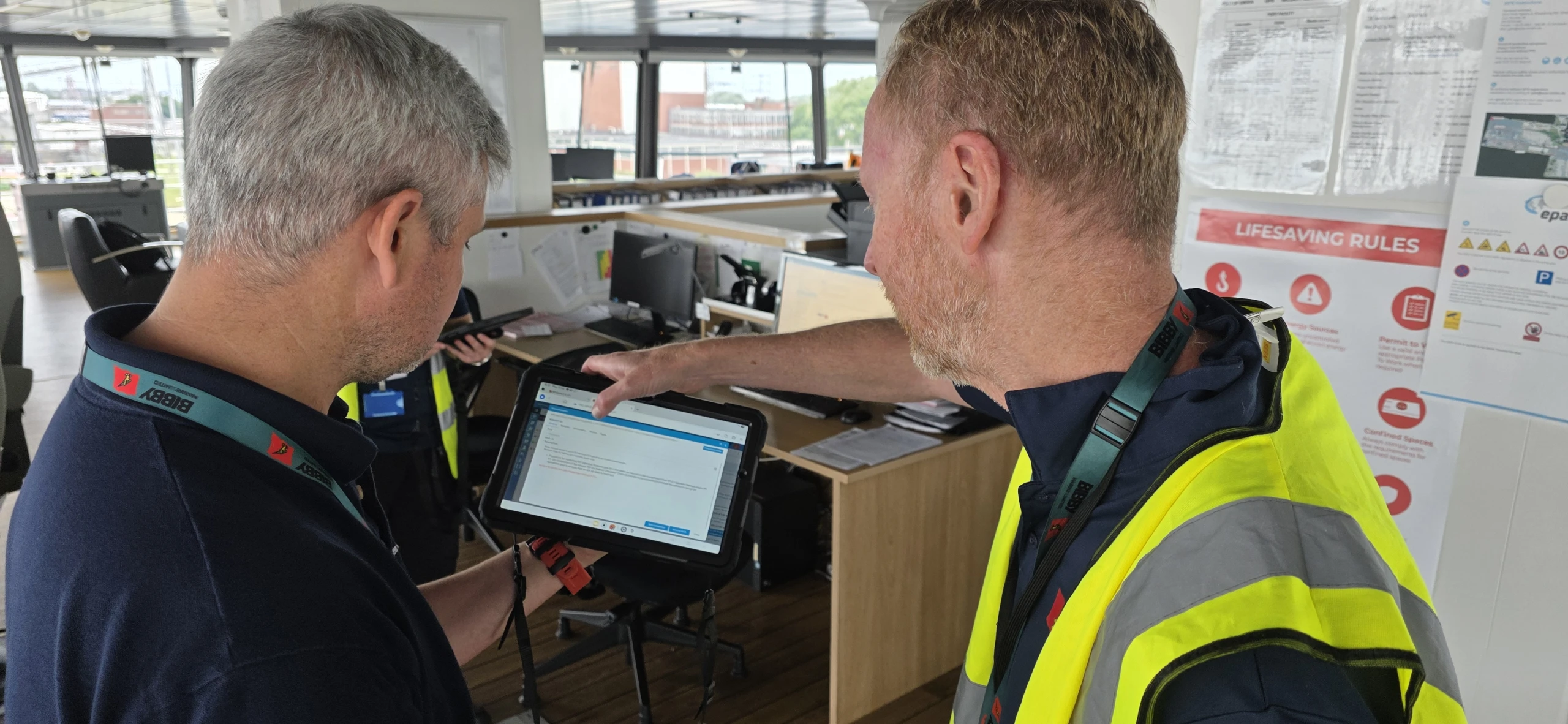
You cannot manage what you do not measure accurately. If your fuel consumption data and vessel specifications are scattered across various Excel sheets or paper logs, the risk of errors is high. To meet FuelEU standards, you need a single version of the truth. Centralising your data in a system like MXSuite ensures that every stakeholder, from the machine room up to the bridge and synchronised with the office, is working with the same up-to-date information.
2. Establish a robust monitoring and reporting plan
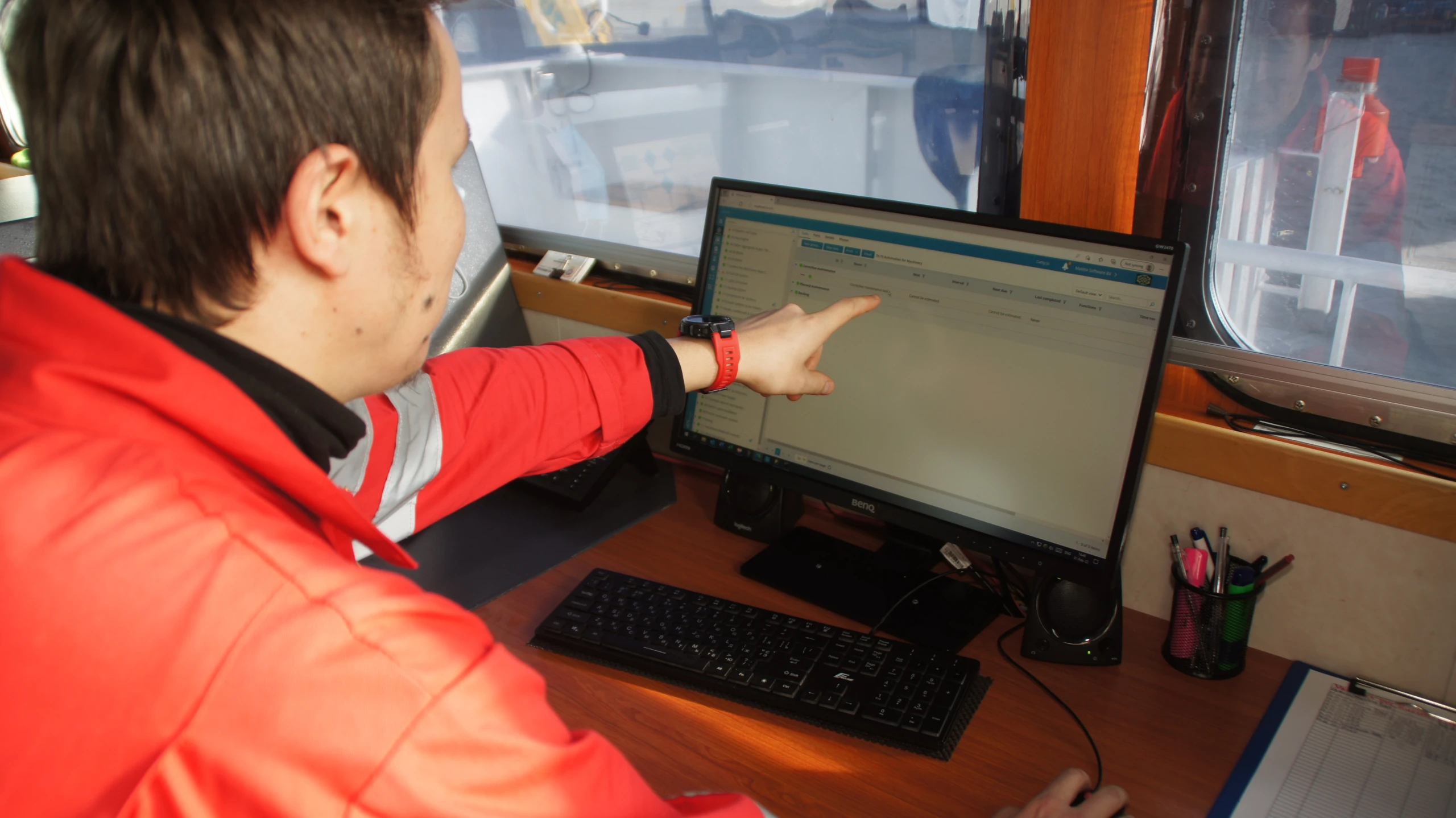
FuelEU Maritime requires a verified monitoring plan for each ship. This plan must track the amount and type of energy used on board. By using the Assets Tasks module, you can schedule regular data collection intervals and ensure that no reporting deadline is missed. Proactive monitoring prevents the last-minute scramble before an audit.
3. Digitise your certificate management
Compliance is proven through documentation. With the increasing number of environmental certificates required per vessel, manual filing is a liability. Ensure all your class and environmental certificates are stored digitally. Our Certificates module not only stores these documents but also provides automated alerts before they expire, ensuring you are always audit-ready.
4. Focus on operational efficiency and maintenance
Reducing GHG intensity often starts with the condition of your assets. A well-maintained engine is a more efficient engine. Use predictive maintenance to ensure your fleet is running at peak performance. When your maintenance tasks are integrated with your compliance data, you can clearly see how technical upgrades or regular servicing impact your emissions profile.
5. Choose a partner, not just a vendor
The transition to sustainable shipping is a marathon, not a sprint. The regulations will continue to evolve towards 2030 and 2050. You need a fleet management solution that is flexible enough to grow with you. At Mastex, we don’t just provide software; we work closely with you to ensure the system fits your specific operational workflow.
Do you want to know more about our ship management software MXSuite? Request a free demo.
Frequently Asked Questions
What is the main goal of FuelEU Maritime?
The regulation aims to decrease the Greenhouse Gas (GHG) intensity of the energy used on board ships to support the EU’s climate targets.
How can MXSuite help with FuelEU compliance?
MXSuite centralises fuel data, automates maintenance scheduling to improve efficiency, and manages all necessary compliance certificates in one secure, digital location.
Can I use MXSuite for fleets of different vessel types?
Yes. MXSuite is modular and used globally in offshore, yachts, passenger services, inland cruises and more. Our software can handle diverse fleet requirements.
Is it difficult to transition from Excel to MXSuite?
Not at all. We provide standard templates to import your existing data (maintenance, equipment, parts) directly into MXSuite, significantly speeding up the implementation process.