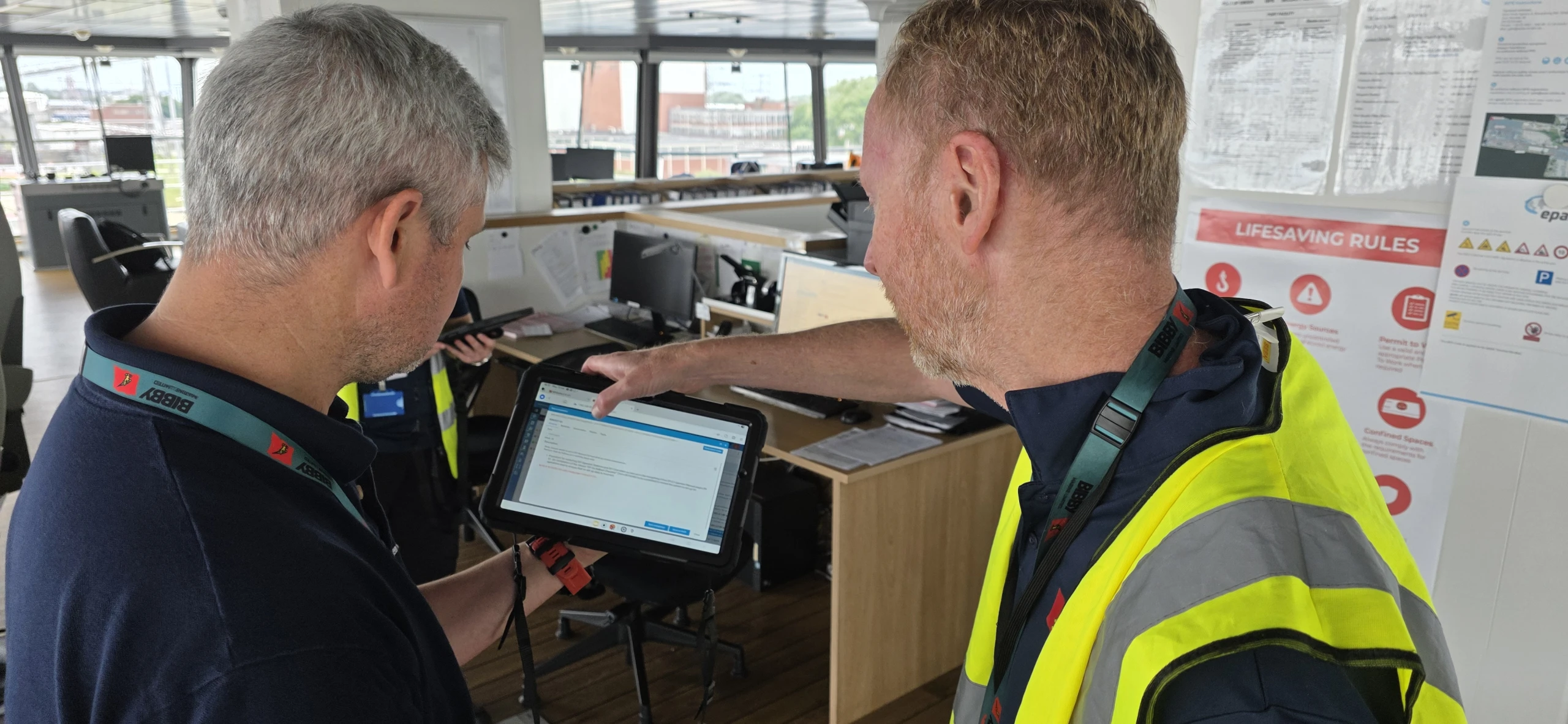
The maritime industry has made significant progress in transitioning from fragmented paper records and isolated spreadsheets to digital platforms. Consequently, contemporary shipping companies collect vast quantities of operational data from their fleets. However, data collection is not the final objective; the primary value lies in how this data is systematically used to improve vessel management.
For superintendents and fleet managers, simply storing data within a software package does not automatically improve efficiency. True operational optimisation occurs when data is actively converted into actionable business intelligence.
This article outlines four specific operational insights that fleet managers can extract when utilising ship management software proactively rather than reactively.
1. Establishing a proactive maintenance framework
Utilising ship management systems merely as data repositories leads to a reactive operational workflow where entries are primarily logged after a technical failure occurs. Active data analysis allows technical departments to transition toward a predictive maintenance model.
By continuously monitoring asset parameters, running hours, and historical equipment trends across the entire fleet, companies can identify technical anomalies before they result in operational downtime.
Vessel Cross-Analysis
If data logs indicate a gradual decline in the discharge capacity of a ballast water pump on one vessel, technical managers can schedule maintenance during a planned port stay. Simultaneously, the office can instruct crews on sister vessels equipped with the same components to perform preventative inspections. This structured approach reduces unexpected equipment failures and prevents emergency repair costs.
2. Mitigating compliance and certification risks
Managing a commercial fleet involves maintaining strict compliance with extensive regulatory and continuously developing frameworks. With modern vessels frequently requiring many class, flag state, and statutory certificates, manual tracking is highly susceptible to human error.
When operational data is integrated within a centralised ship management platform, software automatically tracks expiration dates and cross-references them with crew schedules and mandatory safety drills. Automated, calendar-based notifications provide several months of lead time, ensuring that the fleet remains audit-ready and significantly reducing the risk of port state detentions or non-compliance findings.
3. Optimising procurement and inventory strategies
Integrating up-to-date inventory tracking with planned maintenance workflows allows purchasing departments to baseline their actual spare part consumption rates.
Instead of locking up working capital in excessive onboard stock, or conversely, facing operational delays due to missing critical components during an overhaul, historical data allows companies to set precise minimum and maximum stock thresholds. Procurement managers can generate data-driven purchase orders linked directly to specific technical tasks, ensuring full budget transparency and cost control.
4. Resource efficiency and regulatory reporting
Systematically tracking the consumption of fuel, lubricating oils, and other onboard consumables across a fleet is mandatory for modern compliance frameworks such as MRV and DCS. However, evaluating this data alongside technical maintenance records provides deeper strategic insights.
Cross-referencing fuel efficiency data with specific voyage variables, hull conditions, and recent engine service logs enables management to accurately evaluate vessel performance. These granular metrics provide the board of directors with the exact data needed for strategic decisions regarding fuel reduction strategies and fleet renewals.
Conclusion
Operational data should not increase the administrative burden on onboard crews. Instead, when structured correctly, it serves as a central infrastructure that connects the bridge to the ashore office through an accurate, singular version of the truth. To achieve this level of centralised control, shipping companies deploy MXSuite, a modular ship management platform. Key part of such an infrastructure is secure and solid synchronisation between the vessels and the office ashore.
The long-term operational value of this platform is demonstrated by EemsWerken, a prominent shipping company that uses MXSuite for many years to manage its fleet compliance and technical operations. As Gertjan Kornet, Director at EemsWerken, observed regarding this sustained integration:
“MXSuite is the highway of our company. It brings order to daily operations and provides the insight we need.”
For maritime organisations seeking to expand their vessel configurations safely and sustainably, the strategic deployment of centralised software remains a critical operational differentiator.
Evaluate your data potential
Curious how MXSuite can convert your fleet’s data points into operational control? Request a free personalised demo.