When managing a fleet, the initial investment in a vessel is only the tip of the iceberg. The real challenge lies beneath the surface: the Total Cost of Ownership (TCO). From unplanned maintenance and emergency spare part deliveries to compliance fines and administrative overhead, the costs of keeping a ship operational can spiral out of control if not managed effectively.
At Mastex Software, we see many shipping companies struggling with fragmented systems or manual Excel sheets. While these might seem ‘free’ or ‘cheap’ at first glance, they are often the biggest contributors to a high TCO.
Here is how you can use ship management software like MXSuite to take control and reduce costs.
1. Shift from corrective to preventive maintenance
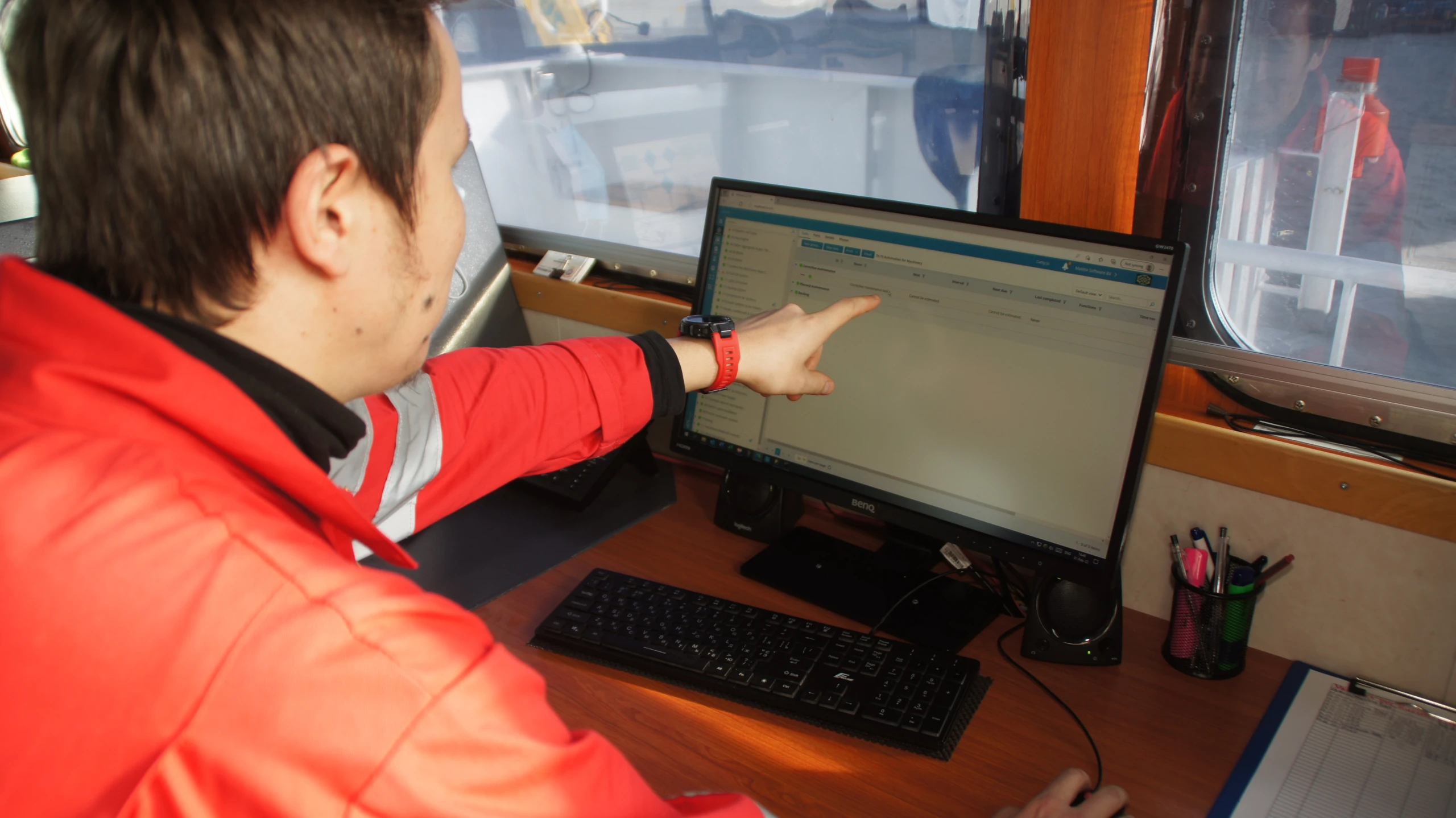
The most expensive type of maintenance is the one you didn’t see coming. Unplanned downtime doesn’t just mean repair costs; it means lost contracts and a damaged reputation. By using the MXSuite Assets Tasks module, you transition to a proactive strategy. Automated triggers based on running hours or calendar dates ensure equipment is serviced before it fails. The TCO Benefit: Extending the lifespan of your assets and avoiding the premium costs of emergency repairs.
2. Optimise inventory and prevent ‘panic buying’
How often are spare parts ordered urgently because the stock was incorrectly logged in a spreadsheet? Emergency shipping and last-minute procurement are TCO killers. With the MXSuite Assets Parts and Purchase modules, you have visibility of inventory across your entire fleet. You can group orders to save on logistics and ensure you never overstock or run out of critical components. The TCO Benefit: Reduced logistics costs and better capital allocation by avoiding unnecessary stock.
3. Streamline compliance and audit readiness
A single expired certificate can lead to a vessel being detained in port. The financial implications of a ‘stop-work’ order are massive. Many of our clients, such as Glomar Offshore and EemsWerken, rely on MXSuite to stay audit-ready. Automated alerts for expiring certificates and documented safety drills mean you are always prepared for inspections without the administrative stress. The TCO Benefit: Avoiding costly fines, port delays, and excessive man-hours spent on manual paperwork.
4. One version of the truth: office vs. onboard
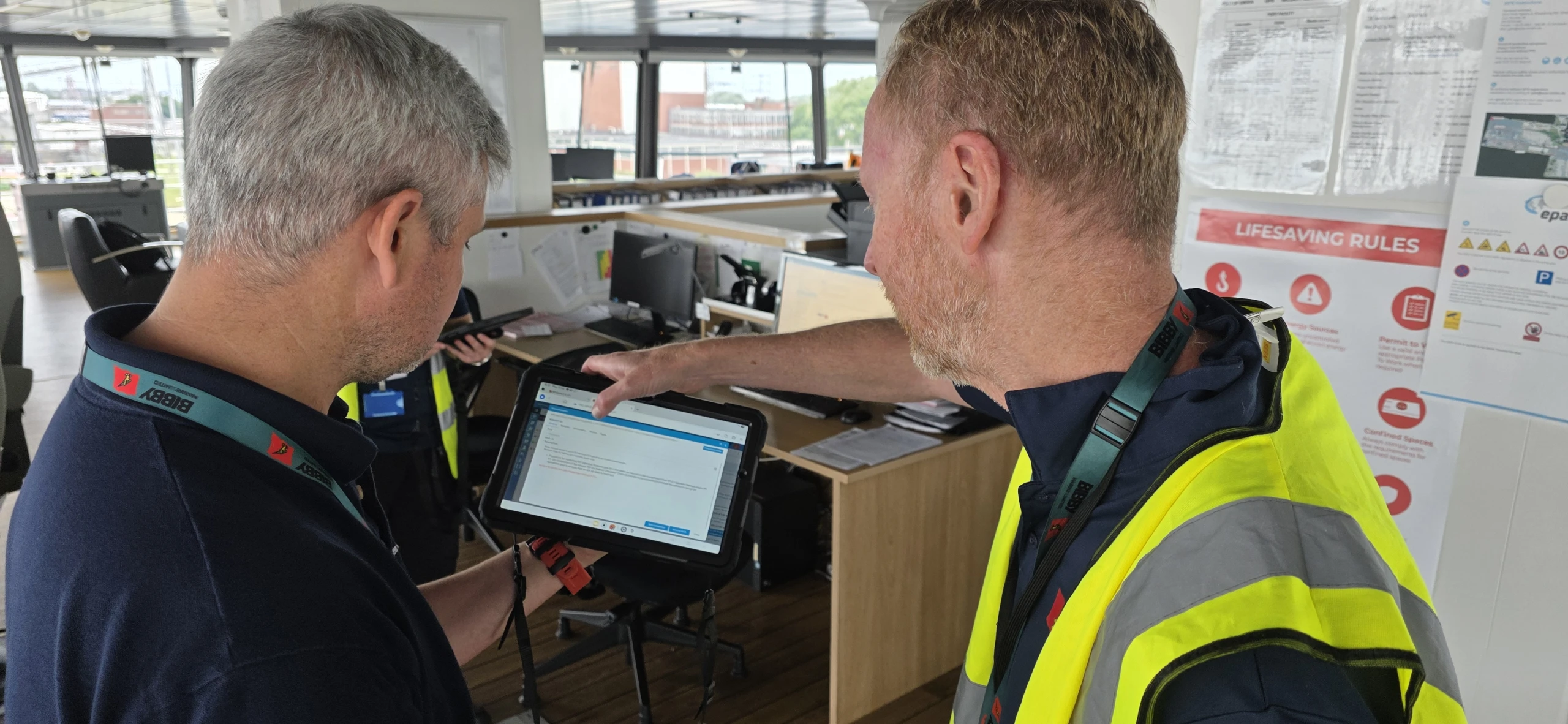
Inconsistency between the office and the crew leads to errors, double entries, and confusion. Digitalisation ensures that everyone works with the same data. When the crew updates a task, the office sees it instantly. The TCO Benefit: A significant reduction in administrative man-hours and the elimination of costly human errors.
Is your fleet ready to work smarter?
Reducing TCO isn’t about cutting corners; it’s about working smarter. By centralising your data in one modular platform, you gain the insights needed to make cost-effective decisions that benefit your bottom line for years to come.
Want to see how much you can save? Request a free demo of MXSuite.