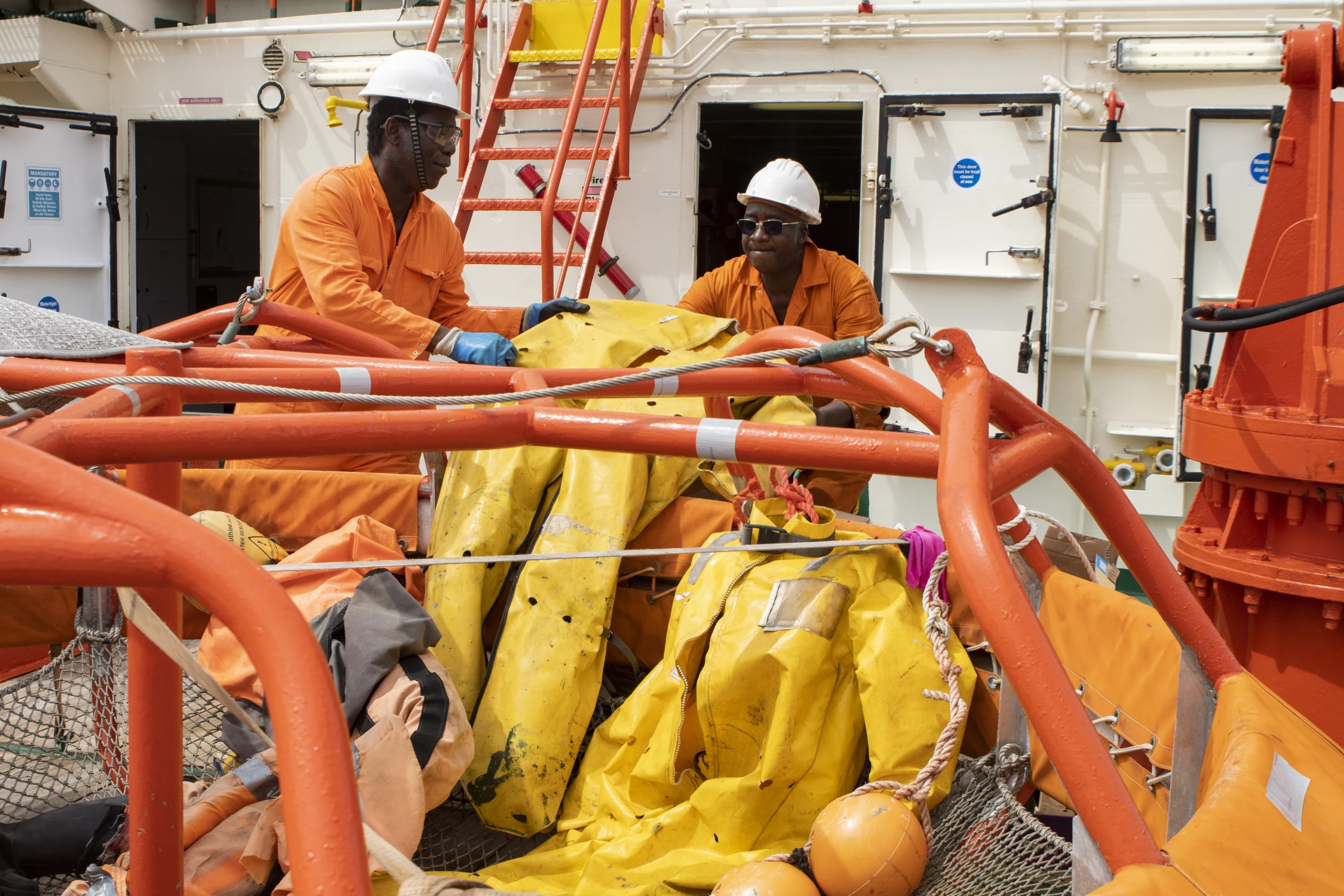
Optimise your ship’s efficiency and ensure 100% compliance with a robust Planned Maintenance System (PMS). Discover how digitalising maintenance streamlines operations, prevents costly downtime, and keeps your fleet audit-ready at all times.
What is a Planned Maintenance System (PMS) for ships?
A Planned Maintenance System (PMS) is a proactive framework used by shipowners and operators to schedule, track, and document maintenance tasks based on time intervals, running hours, or equipment condition. Instead of waiting for a breakdown (reactive maintenance), a PMS ensures that every component, from the main engine to safety valves, is serviced at the right time.
The critical importance of PMS in maritime operations
In the dynamic and demanding world of maritime operations, ensuring the seamless functioning of a vessel is paramount. Shipowners and fleetmanagers are no longer just managing hardware; they are managing complex data environments where safety and profitability are inextricably linked.
1. Safety and regulatory compliance
The maritime industry is governed by strict international regulations, most notably the ISM Code (International Safety Management). Compliance is not optional; it is a licence to operate. A digital PMS provides an indisputable paper trail for auditors and port state control, proving that all safety-critical equipment is maintained according to manufacturer and ship class requirements.
2. Preventing costly downtime
Unexpected mechanical failures at sea are more than just an inconvenience. They are a financial nightmare. Unplanned repairs lead to off-hire days, emergency spare part logistics, and potential cargo damage. By using a PMS to identify wear and tear early, you shift from ‘fixing fires’ to ‘preventing them.’
3. Financial sustainability and asset Value
Ships are significant investments. Proactive maintenance extends the lifespan of your assets and improves fuel efficiency. When equipment runs at peak performance, energy consumption drops, and the total cost of ownership (TCO) decreases significantly. Furthermore, a well-documented maintenance history significantly increases the resale value of a vessel.
Key components of a digital PMS
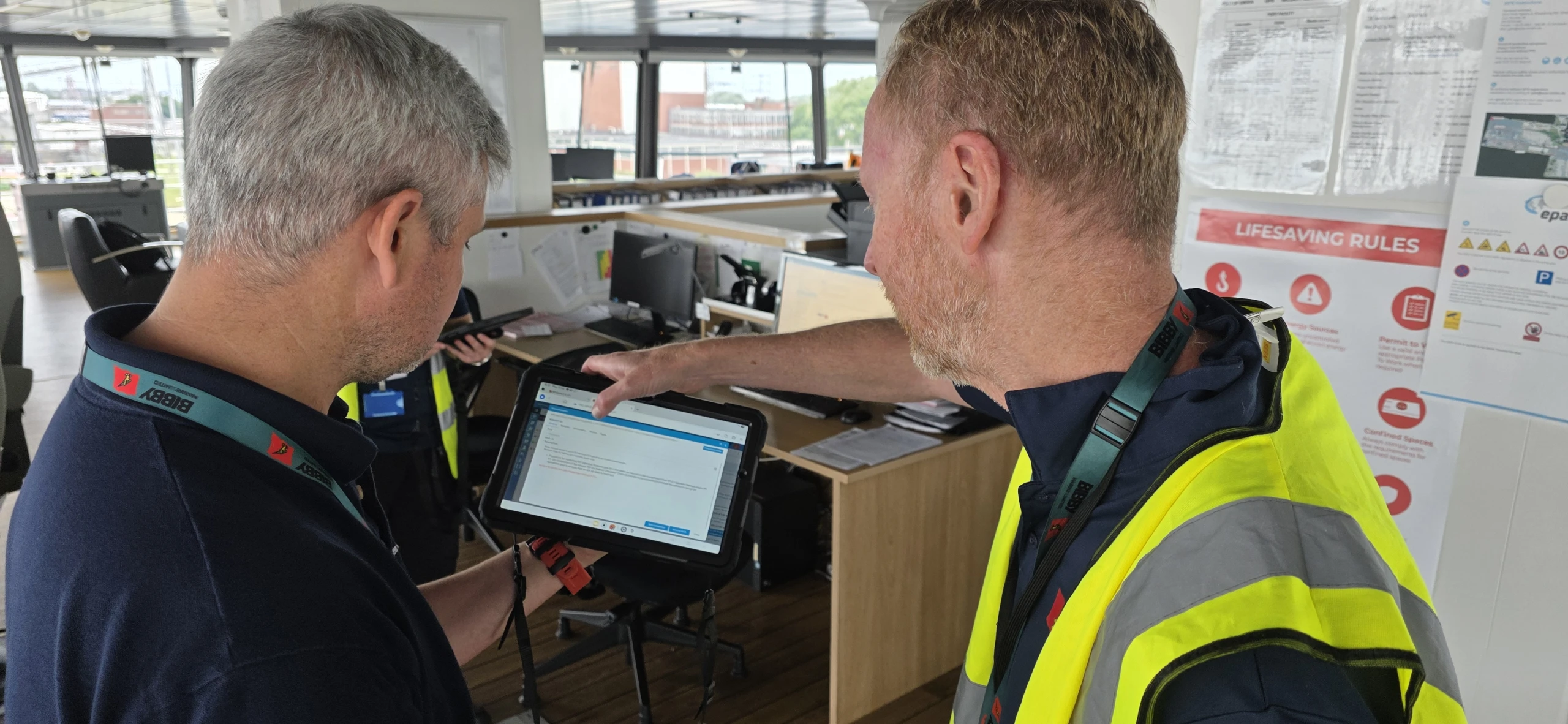
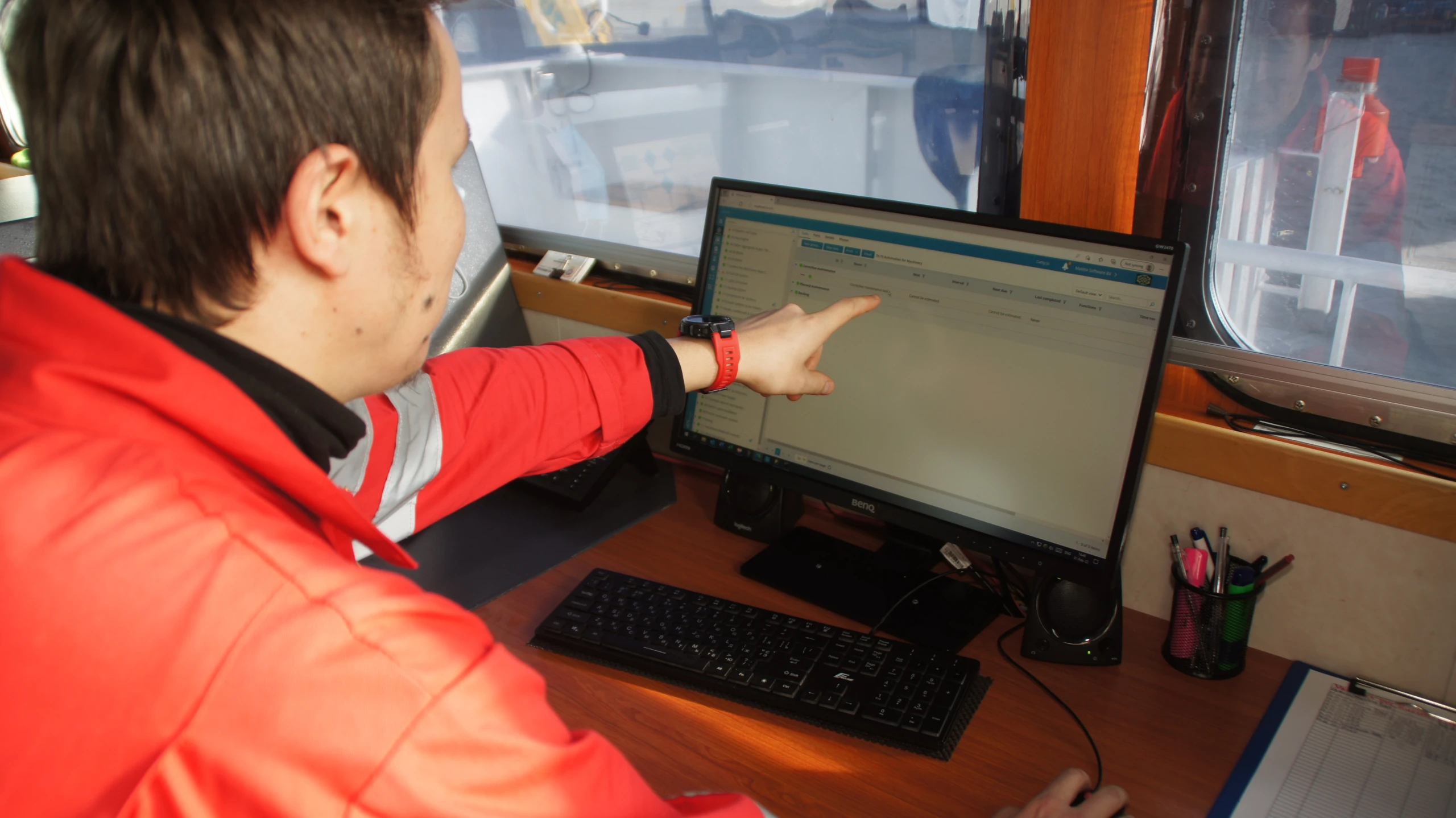
To move away from fragmented Excel sheets or paper logs, a modern digital system should include:
- Asset inventory: A complete overview of all equipment, including serial numbers, manuals, and technical specifications.
- Trigger-based scheduling: Tasks that automatically trigger based on calendar dates or counter readings (e.g. every 500 running hours).
- Inventory integration: Linking maintenance tasks to spare parts, so you know exactly what is in stock before a job begins.
- Documentation and history: A centralised place to store photos, certificates, and work reports for every completed task.
PMS vs CMMS: What is the difference?
While these terms are often used interchangeably, there is a clear distinction. A CMMS (Computerised Maintenance Management System) is a versatile tool used across various sectors to manage maintenance tasks, track assets, and streamline workflows. In contrast, PMS (Planned Maintenance System) is a term used specifically within the maritime industry. While it serves a similar purpose to a CMMS, a PMS has a much stronger focus on compliance, ensuring that vessels meet strict regulatory requirements and remain audit-ready at all times.
Case study: how Glomar Offshore achieved compliance and growth
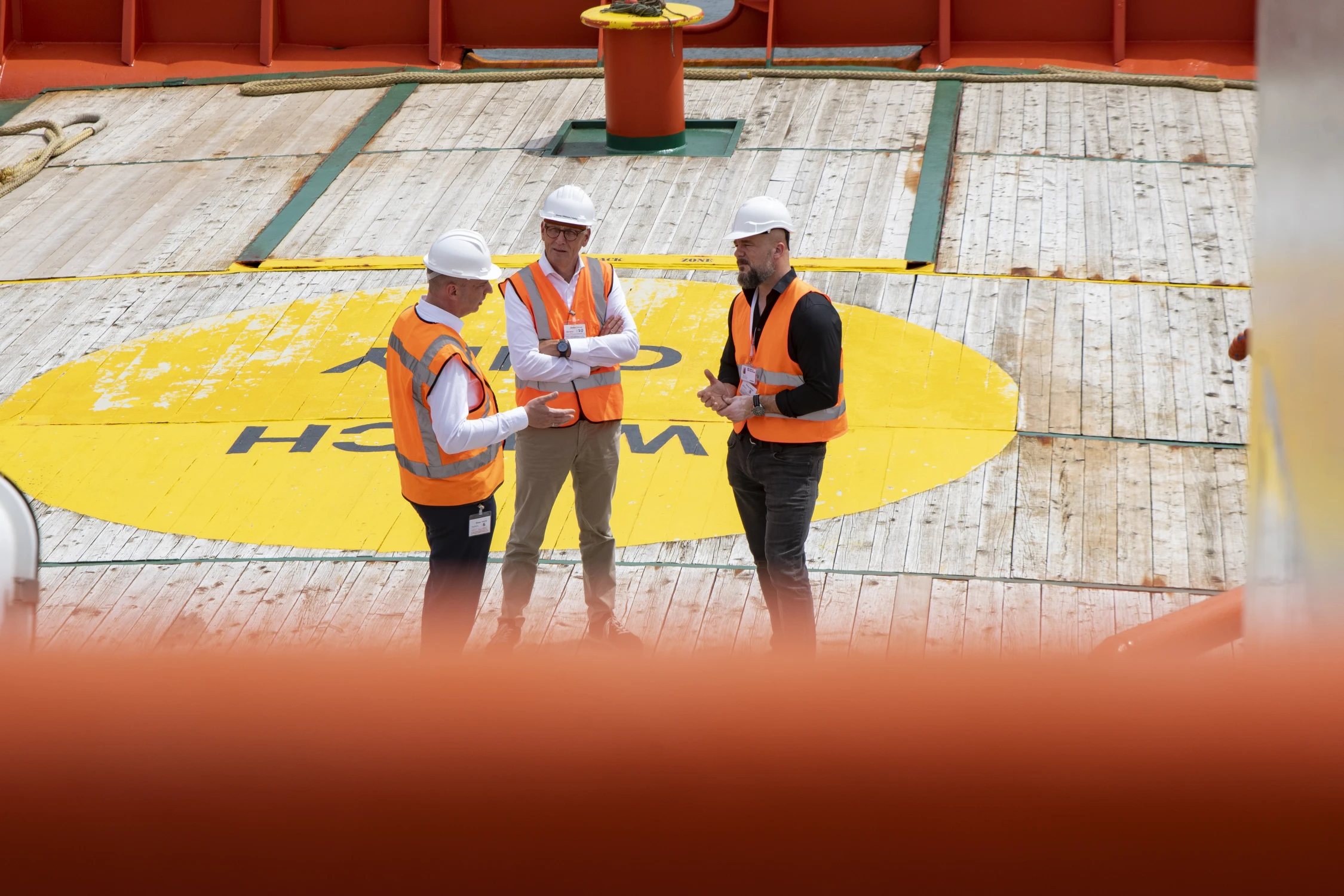
At Mastex Software, we believe the best proof of a system’s value is the success of our clients. Glomar Offshore, a leading provider of offshore support vessels, has been using MXSuite since 2007.
When Glomar started, they had to comply with the ISM Code immediately as a newly established company. Managing safety, maintenance, and environmental responsibilities across a growing fleet on paper was simply not an option. By implementing a ship management system, they transformed their operational data from a burden into a strategic advantage.
“We require management information at the click of a button. What started as a simple compliance tool grew into a valuable management system that supports all aspects of our operations.” — Jan-Wouter Thijssen, General Manager at Glomar
Today, as Glomar expands into new markets like renewables, their digital foundation allows them to scale without increasing administrative stress. Everyone, from the crew to the office, works with the same reliable data.
Beyond maintenance with MXSuite
It is important to understand that while many companies look for a ‘PMS’, maintenance is only one piece of the puzzle. MXSuite is not just a standalone PMS; it is a comprehensive ship management solution.
In MXSuite, maintenance is managed through our specialised Asset Tasks and Asset Parts modules. However, because our software is modular, these modules are seamlessly connected to other vital modules, such as:
- Certificates: Receive alerts when a maintenance-related certificate is about to expire.
- Purchase: Automatically generate purchase orders when spare part levels run low during a maintenance job.
- Safety: Link maintenance routines to safety drills and QHSE requirements.
This integrated approach ensures that your maintenance data does not live in a silo but supports the entire efficiency of your fleet.
Ready to transform your fleet maintenance?
Don’t let paperwork hold your fleet back. Discover how the MXSuite can bring peace of mind to your crew and clarity to your office and book a demo.