In the maritime sector, operational continuity is directly linked to safety. For fleet managers, maintaining a foolproof safety policy has become a highly complex challenge. Administrative pressure is mounting, regulations are constantly changing, and risks at sea remain inherently high. While fleet managers strive for incident-free operations, international data shows that incidents remain far too common as a direct result of human error.
Maritime incidents and their causes
According to the latest Annual Overview of Marine Casualties and Incidents by the European Maritime Safety Agency (EMSA), more than 2,600 marine casualties and incidents are reported annually. A striking insight from these investigations is the underlying cause: the human element plays a decisive role in no less than 78.8% of all analysed maritime incidents. These often involve miscommunication, incorrect adherence to procedures, or a lack of timely training and mandatory drills.
Furthermore, the Allianz Safety and Shipping Review of 2025 reports that machinery damage, fires, and explosions remain the leading material causes of operational downtime and total losses. Many of these incidents can be traced back to deficient audits, lapsed certificates, or safety protocols that were not completed or verified in time. For any shipping company, the resulting financial and reputational damage can be catastrophic.
The role of a Safety Management System (SMS)
To comply with the International Safety Management (ISM) Code, every shipping company is required to implement an operational Safety Management System. However, traditional, analogue systems have severe limitations. Protocols are stored in physical folders on board, certificates are monitored manually, and compliance checks are carried out in isolation. This creates a dangerous blind spot for the fleet manager ashore, who lacks real-time visibility into whether safety procedures are genuinely being followed.
Transitioning to a digital SMS for ships eliminates this friction. Digitising your safety workflows ensures that emergency drills are automatically scheduled, incident reports are seamlessly synchronised with the head office, and corrective and preventive actions (CAPA) can be assigned and tracked instantly. This drastically reduces the administrative burden on the crew while providing the office with up-to-date insights needed to intervene before an audit finding or an incident occurs.
Regain control over compliance with MXSuite
Onboarding and managing safety protocols effectively requires specialised, intelligent software that scales with the size and complexity of your fleet. Advanced Safety Management Software centralises all critical data streams, ensuring that both the crew on the bridge and the management ashore work from a single version of the truth.
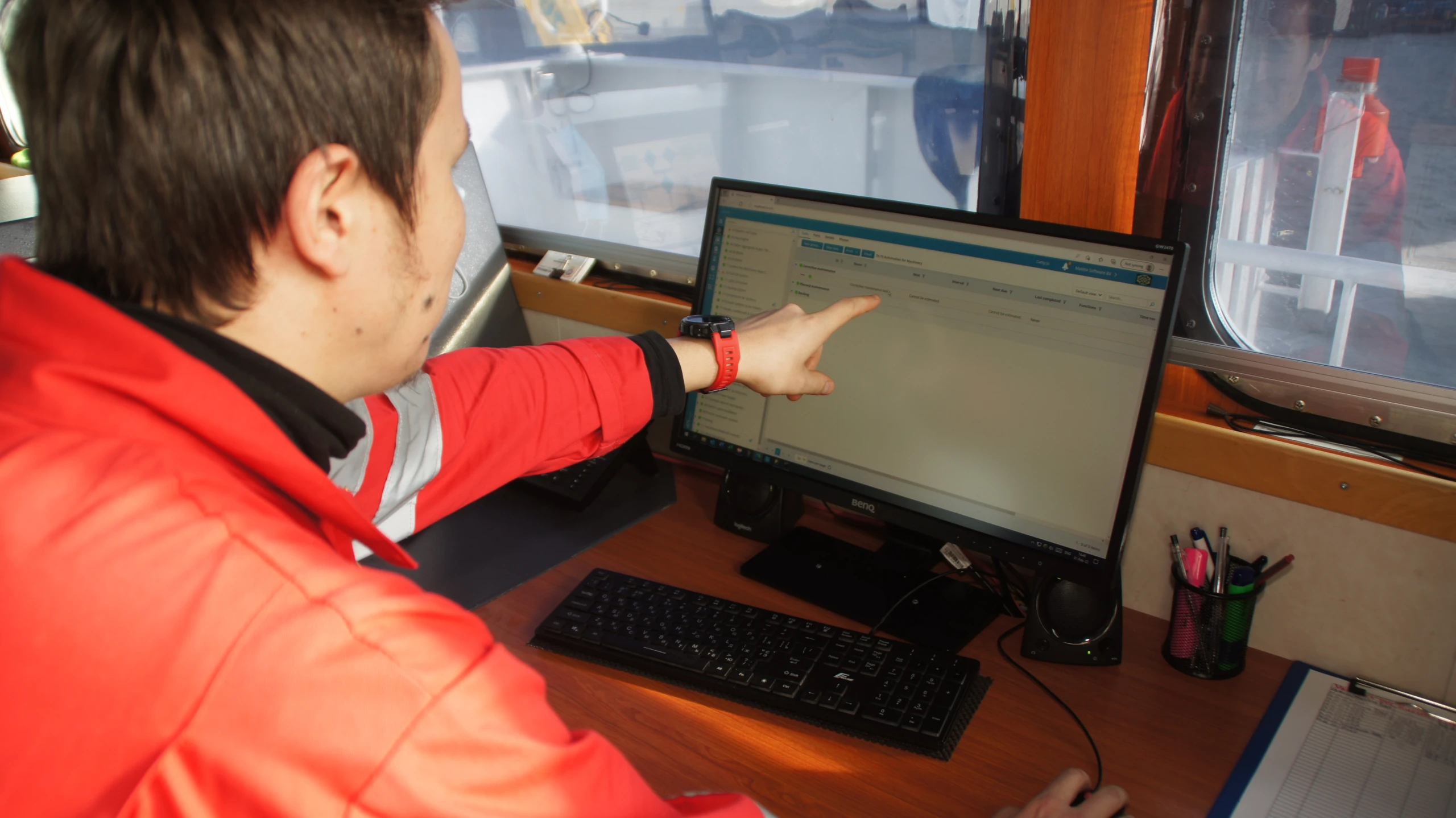
With the Safety module within MXSuite, Mastex Software brings absolute structure to your entire safety administration. The module allows you to digitalise procedures, schedule drills effortlessly, and record precisely which crew members participated. Every result and evaluation report is securely documented, keeping your fleet constantly audit-ready. When paired with the Certificates and Documents modules, you minimise human error and ensure your vessels remain safe, compliant, and highly efficient.
Curious about how you can make your fleet safer, smarter, and more compliant? Request a demo today and discover what MXSuite can do for your operations.